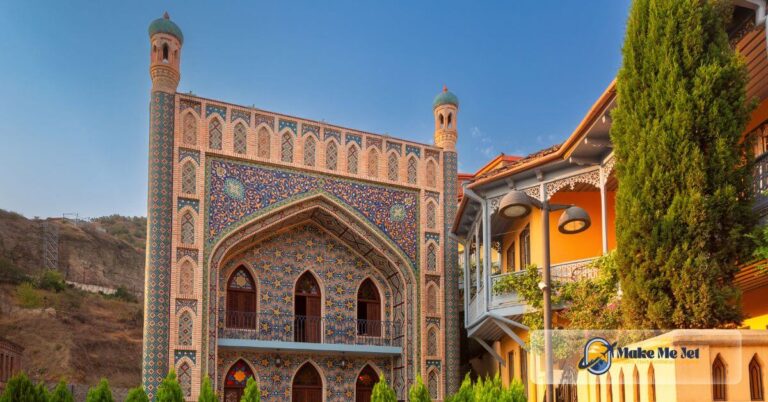
Uzbekistan at a Glance
Uzbekistan is one of Central Asia’s most captivating destinations, celebrated for its legendary Silk Road heritage, striking Islamic architecture, and deep-rooted traditions. For centuries, traders, scholars, and explorers passed through this land, leaving behind an extraordinary collection of cities that feel both timeless and alive. Today, Uzbekistan offers travelers a rare blend of history, culture, and authenticity—without the crowds found in more mainstream destinations.
Ancient Cities and Silk Road Legacy
The country’s greatest draw lies in its historic cities. Samarkand, once a capital of the Timurid Empire, is famed for the Registan, Shah-i-Zinda, and Gur-e-Amir Mausoleum. Bukhara feels like an open-air museum, with hundreds of preserved monuments woven into daily life. Khiva, especially the walled inner city of Itchan Kala, offers a remarkably intact glimpse into medieval Central Asia. Each city tells a unique story of power, trade, and culture along the Silk Road.
Culture, Cuisine, and Daily Life
Uzbek culture is shaped by hospitality, craftsmanship, and strong family traditions. Visitors are often welcomed warmly, whether in bustling markets or quiet neighborhoods. Uzbek cuisine is hearty and flavorful, with dishes like plov, lagman, and samsa forming an essential part of the travel experience. Handicrafts such as ceramics, silk textiles, and wood carving remain an important cultural expression.
Landscapes and Modern Uzbekistan
Beyond its historic cities, Uzbekistan features deserts, fertile valleys, and mountain foothills. Tashkent, the capital, contrasts ancient heritage with wide boulevards, Soviet-era architecture, and modern cafés. Efficient high-speed trains connect major destinations, making travel between cities surprisingly easy and comfortable.
Whether you’re drawn by history, culture, or off-the-beaten-path exploration, Uzbekistan offers a rewarding and enriching journey for curious travelers.