
It usually starts with a quick search: “cheap places in Europe.” Then you click a few articles and realize they’re either outdated or quietly recommending places that stopped being cheap years ago.
Europe has changed a lot in the past few seasons. Prices shifted, some destinations exploded in popularity, and others quietly stayed affordable. The difference between spending €40 a day and €90 a day often comes down to choosing the right country, not just the right city.
We’ve been tracking where your money still stretches without sacrificing atmosphere, food, or scenery. These are the places where you can still sit in a central square, order a proper meal, and not feel like you made a financial mistake.
Albania feels like the Mediterranean, without the price tag
If you want coastal Europe without the usual costs, Albania is the closest thing to a loophole right now.
Places like Ksamil and Himarë sit along the same Ionian coastline as Corfu, but prices are noticeably lower. A beachfront guesthouse can still go for €25–40 per night, especially outside July and August. Meals are simple and filling — grilled fish, salads, bread, and a drink often land around €6–10.
Tirana, the capital, is worth at least a couple of days. It’s walkable, slightly chaotic, and full of small cafés where locals linger for hours over coffee that costs less than €1.
Getting around isn’t perfect. Buses are slow and schedules are loose. But that’s part of the trade-off: fewer crowds, lower prices, and a pace that hasn’t fully adjusted to mass tourism.
Bulgaria gives you variety without draining your budget
Bulgaria doesn’t try to impress you all at once, which is exactly why it works.
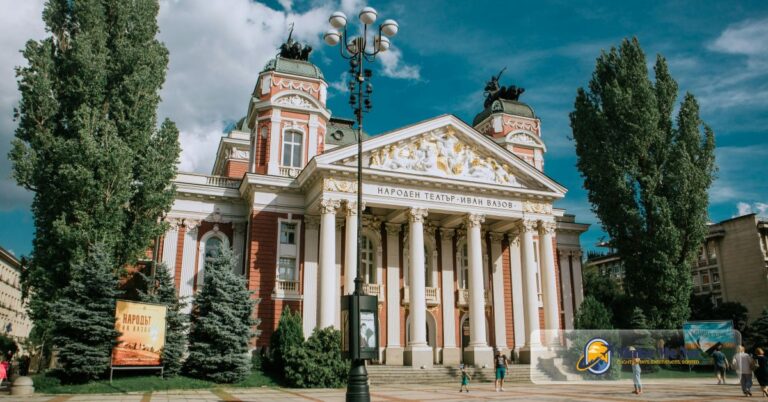
You can split your time between Sofia, Plovdiv, and the Black Sea coast without spending much. Sofia is one of the few European capitals where you can still find a decent hotel for €30–50 per night in a central location.
Food is where it really makes sense. A full meal — soup, main, and drink — often stays under €10. Local bakeries sell banitsa for less than €2, which is the kind of breakfast you end up repeating every morning.
Plovdiv feels more relaxed than Sofia, with its old town streets and slower rhythm. Then there’s the coast — Varna or Burgas — where summer prices rise slightly but still stay below most Mediterranean destinations.
The only downside is that transport between smaller towns can take longer than expected. But if you plan your route loosely, it rarely becomes a problem.
Romania is still one of the best value countries in Central Europe
Romania sits in a strange position. It has the architecture and history you’d expect from Central Europe, but prices haven’t fully caught up.
Cities like Brașov and Sibiu look like they belong in Austria or southern Germany, but a meal in the center can still cost €8–12. Accommodation ranges widely, but €35–60 gets you something comfortable in most places.
Transylvania is the highlight for many travelers. Not because of Dracula references, but because of how compact everything feels. You can move between towns easily, and each place has its own character without trying too hard to stand out.
Bucharest is more mixed. Some parts feel polished, others less so. But that also means you can find cheap food, local markets, and bars where prices haven’t been adjusted for tourists.
Trains work, but they’re not fast. Expect delays and plan accordingly.
North Macedonia stays under the radar — and that keeps it cheap
North Macedonia doesn’t get the same attention as its neighbors, which works in your favor.
Lake Ohrid is the main draw. It’s calm, scenic, and still reasonably priced even in peak season. A lakeside room can sit around €30–50, and eating out rarely exceeds €10–12 per meal.
Skopje is a bit harder to read. The architecture mixes old and new in a way that feels unusual at first. But give it a day or two, and it starts to make more sense. Prices are low, cafés are everywhere, and the city works well as a starting point.
Transport is simple but limited. Buses connect most places, but schedules aren’t always clear online. It’s manageable once you’re there, just not something you can fully plan in advance.
Where to stay without overspending
Accommodation is where most budgets collapse, especially in Europe. Even in cheaper countries, prices can double in peak months if you wait too long.
We usually check a few options in advance, even if we don’t book everything. It gives you a baseline for what’s normal in each place and helps avoid overpaying when you arrive.
For hotels and apartments across these countries, the search below pulls options from multiple providers, which tends to surface smaller places that don’t always show up on the big platforms.
If you’re traveling in summer, booking at least your first few nights is worth it. After that, you can adjust as you go once you understand local pricing better.
Serbia works well if you want city life without Western Europe prices
Belgrade and Novi Sad offer a different kind of trip. Less about landmarks, more about atmosphere.
Belgrade has a reputation for nightlife, but even outside that, it’s an easy city to spend time in. Food portions are large, prices are low, and cafés are part of daily life rather than something designed for tourists.
A solid meal with meat, sides, and a drink can stay around €8–12. Accommodation varies, but €40–60 gets you something central and comfortable.
Novi Sad is smaller and calmer. It works well as a short stop or a slower alternative to Belgrade. The old town is compact, and everything feels within walking distance.
Transport between cities is simple, but international connections can take time. It’s better suited for regional travel rather than quick cross-Europe hopping.
Prices change fast — but some patterns stay the same
Cheap destinations don’t stay cheap forever. Croatia was once on lists like this. So was Portugal, in some areas.
Right now, the pattern is clear: places that are slightly less connected, slightly less marketed, and still building their tourism infrastructure tend to offer better value.
That doesn’t mean sacrificing experience. In many cases, it means the opposite. Fewer crowds, more local places, and a version of Europe that feels less polished but more real.
If you’re planning a trip this year, picking the right country matters more than chasing deals within an expensive one.
Stock image search terms: Albania Riviera coastline Ksamil, , Brasov old town Romania square, Lake Ohrid North Macedonia waterfront