
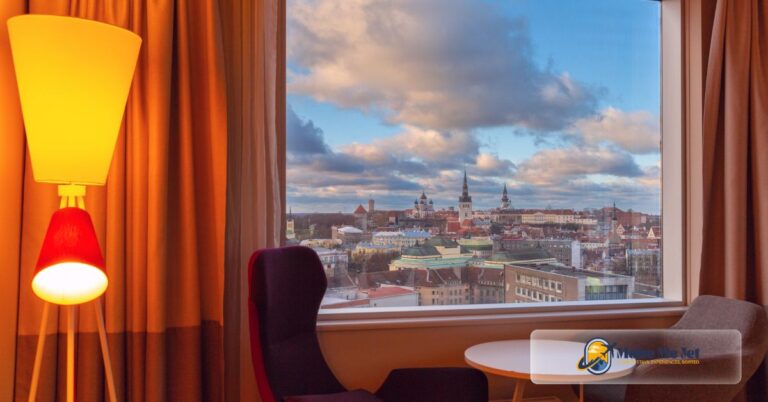
The idea that luxury hotels in Europe always mean €500+ per night is outdated. In the last few years, we’ve seen more small boutique properties, renovated historic buildings, and even 4-star hotels quietly keeping prices under €300 — especially if you book at the right time.
The trick is knowing where to look and what “luxury” actually means in each place. In Paris, it might be a compact designer room in a great neighborhood. In Budapest, it could be a full spa hotel with thermal pools included. Same price, very different experience.
Below are the places that consistently deliver that balance — comfort, style, and location — without crossing into painful pricing.
Not All “Luxury” Is the Same — Know What You’re Paying For
Before picking a hotel, it helps to reset expectations a bit. A €250 room in London won’t look like a €250 room in Portugal, and that’s not a bad thing.
In cities like Amsterdam or Copenhagen, you’re paying heavily for location. Rooms tend to be smaller, but you’re staying within walking distance of everything. In Eastern Europe, especially in Hungary or Poland, the same budget often gets you larger rooms, spa access, and extras like breakfast included.
We’ve found it useful to think in three categories:
Location-first luxury (central, stylish, smaller rooms)
Comfort-first luxury (bigger rooms, quieter areas)
Experience-first luxury (spa hotels, historic buildings, views)
Once you decide which matters more for your trip, the options become much clearer.
The Cities Where €300 Still Gets You Something Special
Some places in Europe just work better for this kind of stay. Prices are lower, competition is high, and hotels try harder to stand out.
In Budapest, hotels like the Aria Hotel Budapest or boutique properties near the Danube often drop below €300 in shoulder seasons. You’re getting rooftop views, spa access, and rooms that actually feel spacious.
Lisbon is another strong option. Around Baixa or Chiado, you’ll find design hotels set in old buildings with modern interiors. The rooms aren’t huge, but the atmosphere carries the experience. Expect €180–€260 most of the year, rising slightly in summer.
Then there’s Prague, where the value is still hard to beat. A well-rated 4-star hotel in the Old Town area can land around €200–€280, often including breakfast and decent service. It’s one of the easiest places to try luxury travel without stretching your budget.
For browsing current deals across these cities, we usually use the search below. It pulls options from multiple booking platforms, which helps spot smaller hotels that don’t always show up first elsewhere.
It’s worth checking flexible dates here — shifting your stay by even one night can drop prices by €50 or more.
Where Boutique Hotels Beat Big Chains
Big hotel brands are predictable. Boutique hotels, on the other hand, are where you often get the better deal.
In Paris, for example, large chain hotels in central areas can easily push past €350. But smaller boutique hotels in neighborhoods like Le Marais or Saint-Germain-des-Prés often stay under €300 while offering more character.
The same goes for Barcelona. Instead of booking a well-known chain near La Rambla, look for renovated townhouses in El Born or Eixample. You’ll get better design, fewer crowds, and often quieter rooms.
We’ve noticed boutique hotels tend to include small details that make a difference — better coffee, thoughtful interiors, sometimes even a welcome drink. Nothing over the top, just things that make the stay feel considered.
The downside is consistency. Service can vary, and rooms within the same hotel might differ quite a bit. It’s worth checking recent reviews carefully before booking.
Timing Matters More Than the Hotel Itself
One of the easiest ways to stay under €300 is simply avoiding peak weeks. This matters more than most people expect.
Take Rome. In May or September, a central 4-star hotel can sit around €250–€300. The same room in July might jump to €400, mostly because of demand, not because the hotel suddenly became better.
In Santorini, it’s even more obvious. April and October prices are often half of what you’ll see in July and August. The weather is still good, and the island feels calmer.
Even in expensive cities like London, weekends can sometimes be cheaper than weekdays, especially in business districts where corporate travel drops off.
Flights also play a role here. We usually check them alongside hotel prices, because a cheap hotel week can quickly become expensive if flights spike.
Looking at both together helps avoid the classic mistake of saving €80 per night on a hotel but paying €200 more on flights.
Small Trade-Offs That Make a Big Difference
Getting luxury under €300 usually means accepting one or two compromises. The key is choosing the ones that don’t affect your trip much.
Location is the easiest trade-off. Staying 10–15 minutes outside the absolute center in cities like Vienna or Milan can drop prices significantly, while still keeping everything accessible by metro or tram.
Room size is another. In Paris or Amsterdam, even higher-end hotels have compact rooms. If you’re only there to sleep and shower, it’s rarely a problem.
Amenities can vary too. Some hotels skip things like gyms or 24-hour reception. In exchange, you might get a better-designed space or a quieter atmosphere.
We’ve found that prioritizing what actually matters for your trip — a good bed, clean bathroom, decent location — makes these trade-offs easier to accept.
What We’d Tell a Friend
Luxury under €300 in Europe is less about chasing deals and more about choosing the right place at the right time. Some cities simply give you more for your money, and some weeks are far better than others.
Focus on areas like Budapest, Lisbon, or Prague if you want the full experience. In more expensive cities like Paris or London, lean into boutique hotels and be flexible with dates.
And don’t overthink it. A well-located, comfortable hotel that feels calm at the end of the day often matters more than marble bathrooms or rooftop pools.