
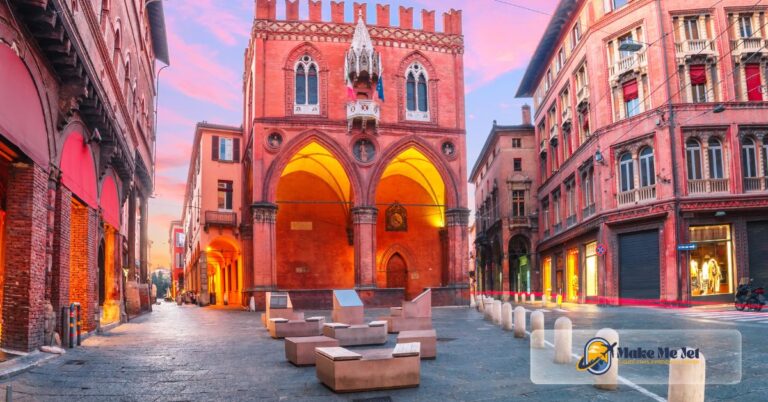
Northern Italy has a reputation for being expensive, polished, and slightly out of reach if you’re watching your budget. That’s true in places like Milan or Venice. But spend five days moving slowly from Bologna into the hills and up to San Marino, and the numbers start to look very different.
This trip came together with a simple constraint: €400 total, including accommodation, food, and transport. No extreme compromises, no overnight buses, no instant noodles for dinner. Just small cities, local trains, and the kind of places where coffee still costs €1.20 if you stand at the bar.
What you get in return isn’t just a cheaper version of Italy. It’s a quieter, more grounded one.
Why Bologna Is the Right Starting Point
Bologna works because it doesn’t try too hard to impress you. It’s not built around tourism in the same way as Florence or Rome, which means prices stay reasonable and daily life feels intact.
Accommodation here is noticeably cheaper than in nearby hotspots. A private room in a guesthouse or small hotel can easily fall in the €45–60 range per night if you book a bit ahead. Stay just outside the historic center and that drops even further.
Food is where Bologna quietly wins. A plate of tagliatelle al ragù costs around €8–10 in a local trattoria. Street options like piadina or slices of pizza go for €3–5. You don’t need to hunt for “budget spots” — most places are already fairly priced.
Walking under the porticoes becomes your default way of getting around. You can cross most of the city on foot without noticing the distance. And because Bologna isn’t overwhelmed with crowds, you don’t spend your time navigating queues or packed streets.
Two days here feels right. Enough to settle in, eat properly, and adjust to the pace before moving on.
Getting to San Marino Without Overthinking It
San Marino looks complicated on the map, but the route is straightforward once you break it down.
From Bologna, take a regional train to Rimini. Tickets usually sit between €10–15 depending on timing. The ride takes about an hour and a half and doesn’t require any planning beyond checking departure times.
From Rimini, buses run regularly up to San Marino. The journey takes around 50 minutes and costs roughly €6–10.
What makes this route work is flexibility. Regional trains in Italy don’t punish you for not booking weeks in advance. You can decide the night before, or even the same morning, and still pay a fair price.
The transition itself is part of the experience. You move from a working city into flatter coastal terrain, then slowly climb into something that feels closer to a hilltop fortress than a modern destination.
Where the Budget Actually Goes
€400 for five days sounds tight, but the breakdown is more comfortable than it seems.
Accommodation takes the largest share. Splitting four nights between Bologna and San Marino or nearby Rimini, you can expect to spend around €200–240 total if you stick to simple hotels or guesthouses.
Food sits surprisingly low. Eating twice a day at casual places, plus coffee and the occasional snack, comes out to about €15–20 per day. That’s roughly €75–100 for the trip without feeling restricted.
Transport stays manageable. Trains and buses combined land somewhere around €30–50 depending on how you time things.
What’s left covers small extras — a museum entry, a drink with a view, or just a bit of flexibility.
The key is not trying to optimize every euro. Prices here are already reasonable enough that you can focus more on where you want to go than on constantly calculating costs.
Finding a Place to Stay Without Overpaying
Accommodation can quietly derail a budget trip in Italy, especially if you end up in overly central or overly polished areas.
In Bologna, look for small guesthouses just outside the historic core. Areas near the train station or slightly north of the center tend to offer better value without sacrificing convenience.
In San Marino, staying inside the historic center is more expensive but also more memorable. If prices are too high, Rimini becomes a practical alternative with frequent transport connections.
For comparing options, we usually rely on the search below. It pulls listings from multiple platforms and often surfaces smaller places that don’t show up first elsewhere.
[WIDGET: Travelpayouts Hotel Search — destination: Bologna, San Marino]
It’s worth checking a few combinations — different neighborhoods, nearby towns — before booking. A short train or bus ride can easily cut your nightly cost by 30–40%.
What San Marino Actually Feels Like
San Marino isn’t large, and that’s part of its appeal. You’re not here to tick off a long list of sights. You’re here to slow down and take in the setting.
The historic center sits high above the surrounding landscape, with views stretching across northern Italy toward the Adriatic. Walking through it takes less than an hour, but you’ll likely stretch that into a full afternoon without trying.
Shops here lean heavily into souvenirs, and parts of the main streets can feel slightly staged. But step a little off the central paths and the atmosphere shifts quickly. Quiet corners, stone walls, and viewpoints without crowds start to appear.
Food prices are slightly higher than in Bologna, but not dramatically so. A simple meal might cost €12–15. Coffee remains affordable, which matters more than you’d expect when you’re stopping every hour just to sit and look out over the hills.
One night is enough. Two if you want a slower pace and early mornings without day-trippers.
The Pace That Makes This Trip Work
What ties this route together isn’t just the cost. It’s the rhythm.
You start in a city that moves at a steady, everyday pace. You eat well, walk a lot, and get comfortable without rushing. Then you shift into something quieter and more elevated, where time stretches a bit.
There’s no pressure to see everything because there isn’t that much to see in the traditional sense. And that’s exactly why it works.
Five days pass without the usual feeling of trying to fit too much in. You don’t leave exhausted or needing another holiday to recover. You leave feeling like you’ve actually spent time somewhere.
A €400 trip in Italy doesn’t have to mean cutting corners or missing out. It just means choosing places that haven’t been stretched thin by demand.
Bologna and San Marino offer that balance — good food, manageable costs, and a pace that makes the trip feel longer than it is. Plan loosely, move slowly, and let the route do the work.