
You can tell a lot about a place by how it feeds you. Not just what ends up on the plate, but how it gets there — who cooked it, how long it’s been done that way, and whether anyone’s in a rush. Some of the best days we’ve had in Italy, France, and Spain weren’t planned around landmarks at all. They started with a morning coffee and ended five hours later with a second bottle of wine we didn’t intend to order.
Food tours can be hit or miss. Some feel like a checklist with snacks. Others slow you down in the right way. These are the ones that stayed with us — the ones we’d actually book again.
Bologna taught us how slow food really works
There’s a reason Bologna keeps coming up in conversations about food tours in Italy. It’s not trying to impress you. It just knows it doesn’t need to.
The tour we joined started early, before the streets filled up. First stop was a small bakery where the woman behind the counter didn’t switch to English, didn’t rush, and didn’t care that we were still half-awake. We tried fresh tigelle with cured meats that had no branding, no packaging, just a story that stretched back generations.
What made this one work wasn’t variety. It was depth. Instead of five quick stops, we spent real time in two or three places. The guide didn’t just point — he explained why Parmigiano Reggiano changes flavor depending on aging, why locals argue about ragù, and why certain wines never leave the region.
It also wasn’t cheap. Around €90 for half a day. But when you factor in what you eat, drink, and learn, it’s one of the few times a “premium” experience feels correctly priced.
If you’re planning something similar, this is the kind of tour we look for — small groups, fewer stops, more time per place.
For finding options like this, we usually check what’s running locally:
It pulls together a mix of smaller operators and tends to show more detailed itineraries than most booking platforms.
San Sebastián is not a food tour — it’s a moving dinner
San Sebastián works differently. You don’t sit down for a meal. You move through it.
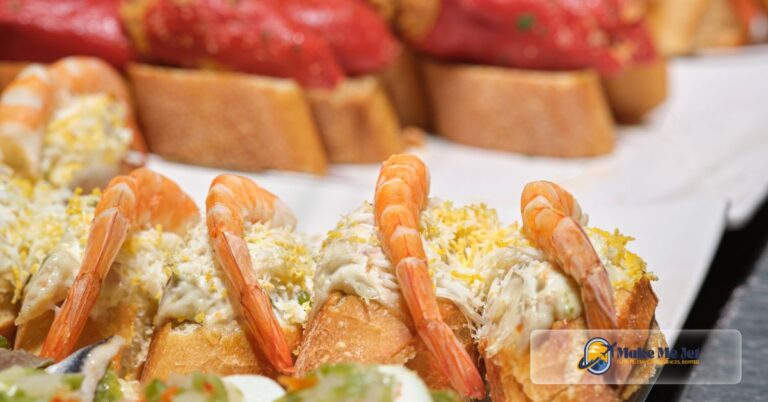
The best food tours in Spain here aren’t about learning recipes. They’re about understanding rhythm. You stop for a pintxo, one drink, and move on. Then repeat. Five, six, sometimes eight times.
One evening tour started near the old town and ended somewhere we couldn’t find again the next day. In between, we had anchovies that tasted almost sweet, a small steak served on bread with nothing else, and a cheesecake that didn’t look finished but somehow was.
The guide mattered here more than anywhere else. Without one, you’ll still eat well. But you’ll miss the logic behind it — why locals stand in one bar and sit in another, why some places are avoided after 9 pm, and why ordering too much is the fastest way to look like a tourist.
Expect to spend €100–€120 for a proper evening tour. That includes drinks, which adds up quickly in a place like this.
Lyon showed us the difference between eating and understanding food
Lyon is often called the food capital of France, which sounds like marketing until you spend a day there.
The tour we joined focused on traditional bouchons — small, family-run restaurants that don’t adjust menus for visitors. This is where you get dishes that aren’t designed to look good on Instagram. They’re heavy, direct, and honest.
We tried quenelles in a sauce that didn’t look appealing but tasted better than expected, and a sausage dish that came with no explanation beyond “this is how it’s done.” That’s part of the appeal. You’re not there for reinvention.
What stood out was how much context the guide added. Without that, it would’ve just been a series of unfamiliar plates. With it, you start to see how French food culture is structured — where tradition sits, how it’s protected, and why it doesn’t change quickly.
Tours here tend to be slightly cheaper than in Italy or Spain, around €70–€90, but they’re more focused. Less wine, more explanation.
Florence is where food tours can go wrong — or very right
Florence has both the best and worst versions of food tours in Italy.
The bad ones are easy to spot. Large groups, fixed menus, stops that feel designed for volume rather than quality. You’ll still eat well, but it feels staged.
The good ones are harder to find but worth it. The one we joined was built around small producers — a wine bar with no sign, a sandwich shop that runs out by 2 pm, and a gelato place that doesn’t use bright colors.
What made the difference was pacing. There was space between stops. Time to walk, reset, and actually feel hungry again. That sounds minor, but it changes the whole experience.
If you’re booking in Florence, check group size first. Anything over 10 people usually means less interaction and faster turnover.
And if you’re staying overnight, it’s worth pairing the tour with the right base. Being in the center saves time and lets you revisit places you liked the next day.
We tend to look for smaller hotels or apartments within walking distance of the historic center. It makes a noticeable difference when most of your meals are scattered across the city.
What actually makes a food tour worth it
After a few of these across Europe, patterns start to show.
The best tours don’t try to cover everything. They focus on a specific angle — regional products, local habits, or a particular neighborhood. That focus gives you something you wouldn’t get on your own.
Group size matters more than price. A €60 tour with 15 people will feel rushed. A €100 tour with 6 people often feels slower, more personal, and ultimately better value.
Timing is another factor that’s easy to overlook. Morning tours tend to be more about markets and ingredients. Evening ones lean into wine and atmosphere. Neither is better, but they’re very different experiences.
And then there’s the guide. You don’t need someone entertaining. You need someone who knows when to talk and when to let the place do the work.
What We’d Tell a Friend
If you’re choosing between doing a food tour or just exploring on your own, the honest answer is this: both work, but for different reasons.
On your own, you’ll eat well almost everywhere in Italy, France, or Spain. That part isn’t hard. What you miss is the context — why something is made a certain way, why locals care about it, and how to spot the places that don’t need to advertise.
A good food tour gives you that shortcut. It won’t replace exploring, but it will make the rest of your trip smarter.
If we had to pick just one to repeat, it would be Bologna. Not because the food was better — though it was close — but because it changed how we approached meals for the rest of the trip.